Advocate seal
An advocate seal is the mark an enrolled advocate applies to pleadings, affidavits and certified copies. What distinguishes it from any other professional stamp is that it must identify the individual, not the firm: the name as enrolled, the enrolment or roll number issued by the bar council, and usually the bar or the court of enrolment. A seal naming only the chambers identifies nobody.
Templates you can start from
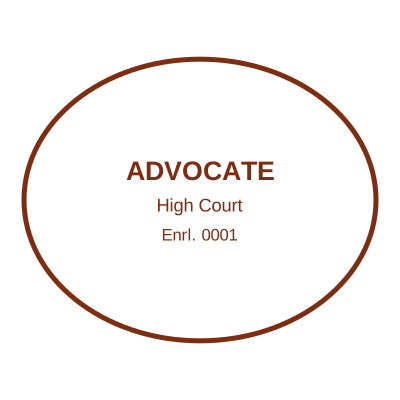
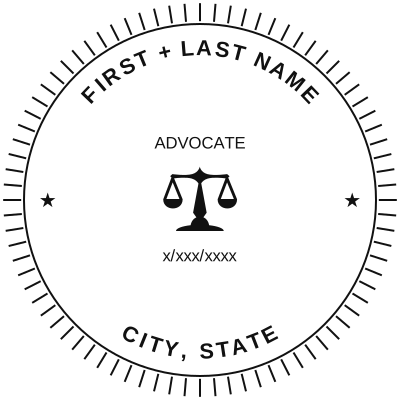

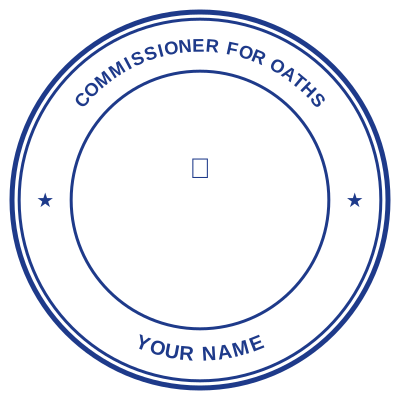
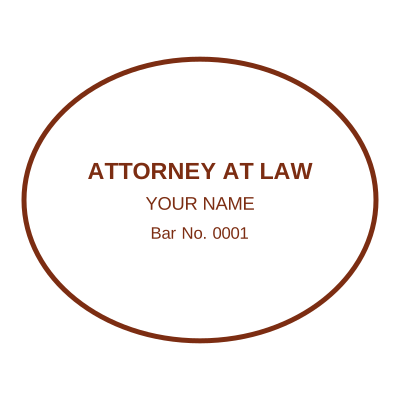

How to make it
- Choose a round or oval outline. Both are conventional.
- Put the name as enrolled on the top arc, exactly as registered.
- Put the enrolment number and the bar on the bottom arc.
- Leave the centre clear, or add a signature line if you sign inside it.
What you get
- Name as enrolled, curved around the ring
- Enrolment or roll number, which is the identifying element
- Bar or court of enrolment on the lower arc
- A centre left clear for a wet signature
Why the enrolment number is the part that matters
Because names repeat and roll numbers do not. A registrar checking an affidavit is verifying that a specific enrolled advocate took responsibility for it, and the number is the only element on the seal that resolves to one person. It is also the element most often left off a self-made seal, usually because it is not in the letterhead the design was copied from.
Questions
Is it an advocate seal or an advocate stamp?
Both are used and they mean the same object. "Seal" is the more common word in India, Kenya and much of the Commonwealth; "stamp" is used interchangeably in the same offices. The wording matters more than the noun.
Can chambers share one seal?
A firm stamp naming the chambers is a different thing and is fine for correspondence. The seal that goes on a pleading identifies the advocate who settled it, so it is individual by design.
Estamplab is a design tool. This page describes common commercial practice rather than giving legal advice, and practice changes. Where a specific document matters, check the requirement with the body receiving it. Only produce a mark your own organisation or your own credentials are entitled to use.