Advocate seal sample
People search for an advocate seal sample to see the wording, not the artwork. The layout is conventional and short: name on the top arc, ADVOCATE underneath or in the centre, enrolment number and bar on the bottom arc. Below is that wording written out, so you can compare it with what your own seal needs before designing anything.
Templates you can start from
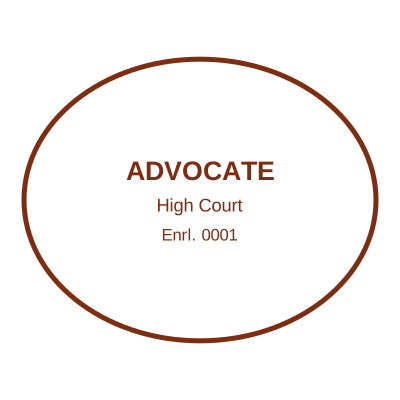

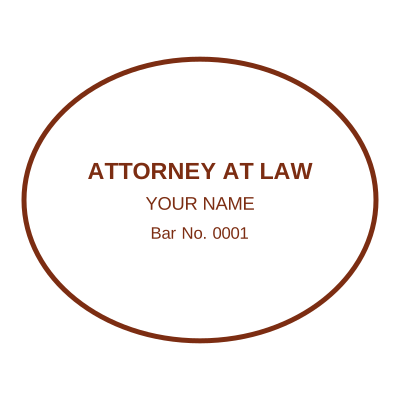



How to make it
- Read the sample wording below and note what your seal must change.
- Open a template and replace the name with yours, as enrolled.
- Replace the enrolment number. Do not leave a placeholder.
- Check the bottom arc reads the right way up, then download.
What you get
- The wording written out, not just a picture
- Templates that already carry the right line structure
- Room for a long name without shrinking the number
- A centre left clear for signing
The sample, line by line
Top arc: the full name as enrolled, in capitals. Centre: ADVOCATE, or ADVOCATE, HIGH COURT where that is the convention locally. Bottom arc: the enrolment number, then the bar or state. A fourth line for a mobile number or an email is common on correspondence stamps and out of place on a seal that goes on a pleading, because it makes the mark look like a business card rather than an identification.
Questions
Should the sample number be left in?
No, and it is worth checking twice. A seal carrying a template placeholder or somebody else’s roll number on a filed document is a real problem, not a cosmetic one.
How big should it be?
Round advocate seals are usually 38mm to 45mm. Larger than that and it dominates the signature block; smaller and the enrolment number stops surviving a photocopy.
Estamplab is a design tool. This page describes common commercial practice rather than giving legal advice, and practice changes. Where a specific document matters, check the requirement with the body receiving it. Only produce a mark your own organisation or your own credentials are entitled to use.