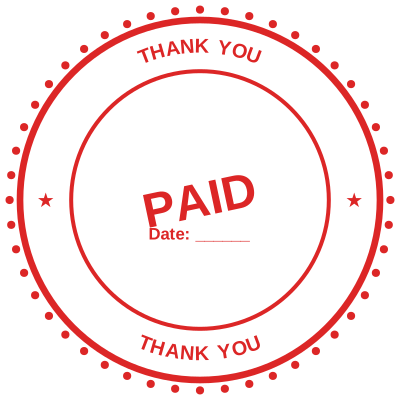
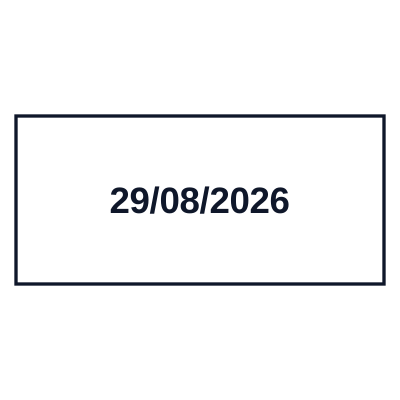
Paid stamp with date
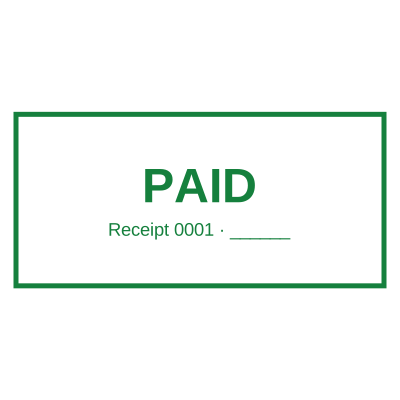
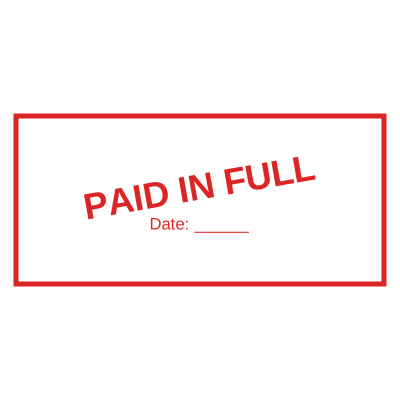
A PAID stamp with a date marks an invoice as settled and records when. The date is what makes it useful in a reconciliation: PAID on its own tells an auditor that somebody believed it was paid, while PAID with a date and a reference can be matched against a bank line. The reference is the field most often left off and the one most often wanted later.
Templates you can start from
How to make it
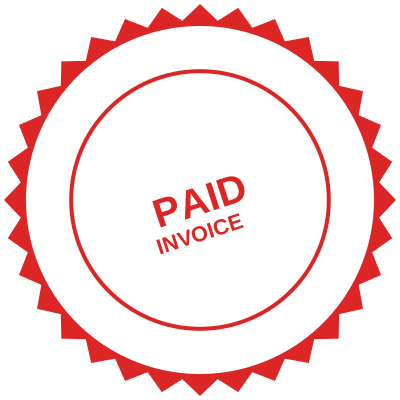
- Choose a rectangular block, or a round PAID mark for a receipt.
- Put PAID across the top in capitals.
- Add the date placeholder, which resolves at download.
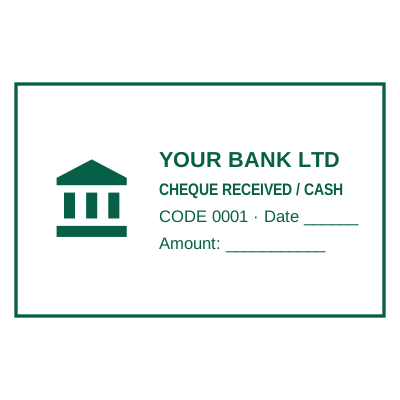
- Leave a ruled line for the payment reference or cheque number.
What you get
- PAID with a date that fills itself in
- A ruled line for a reference or cheque number
- Round receipt marks and rectangular invoice blocks
- Sized to sit beside an invoice total
Why the reference line is the point
A stamped invoice with no reference cannot be matched to anything. An auditor sampling payables wants to get from the invoice to the bank statement line, and the reference is the only thing that bridges them. Without it the stamp is an assertion; with it the stamp is evidence. It costs one ruled line at design time and saves an afternoon during an audit.
Questions
Where does it go on an invoice?
Beside or over the total, rather than in the header. The total is the number being disputed if anything is disputed, and a PAID mark next to it is read immediately.
Round or rectangular?
Rectangular for an invoice, because it carries the extra lines. Round for a receipt handed to a customer, where the mark is the whole message and there is nothing to reconcile.
Estamplab is a design tool. This page describes common commercial practice rather than giving legal advice, and practice changes. Where a specific document matters, check the requirement with the body receiving it. Only produce a mark your own organisation or your own credentials are entitled to use.