Bank stamp and endorsement templates
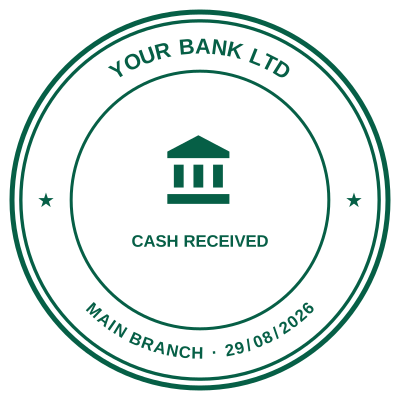
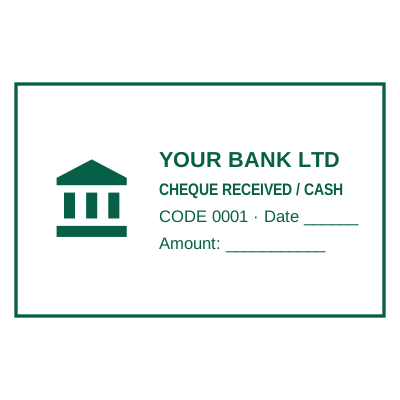
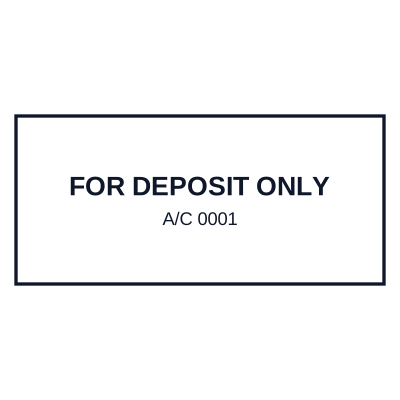
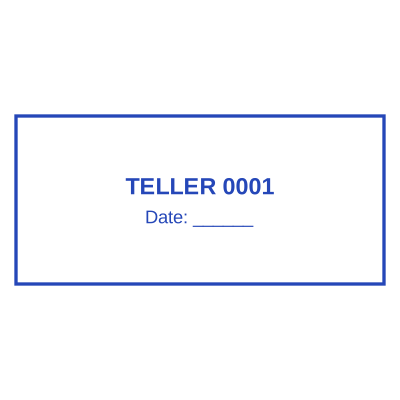
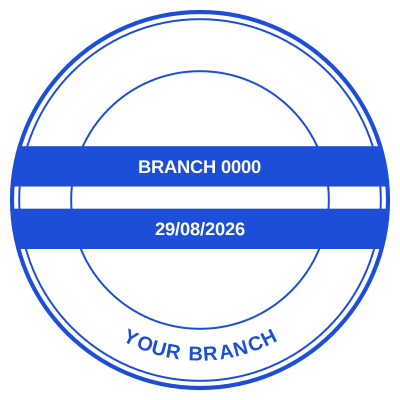
A bank stamp template is a functional mark rather than a decorative one, a For Deposit Only endorsement, a branch stamp or a teller mark, laid out to fit where it has to go.
None of these are decorative. A For Deposit Only endorsement restricts a cheque to your account the moment it is opened, which is the cheapest fraud control a business has. A teller or branch mark records who handled a transaction. Both are about traceability, so the account number and the date carry the value.

Questions
What should a For Deposit Only stamp say?
The restriction, the account name as the bank holds it, the account number, and usually the bank or branch. Four lines is the practical maximum for the endorsement area on the back of a cheque.
Is a For Deposit Only endorsement required?
No, it is a precaution rather than a requirement, and a cheap one. It restricts what can be done with a cheque that leaves your control.
Can I stamp a cheque digitally?
No. A cheque is the physical instrument, so the endorsement has to be physical. Everything else on a finance desk, remittances, invoices, statements, is now usually a PDF and can be stamped digitally.
What is the difference between a bank stamp and a teller stamp?
The bank stamp identifies the institution and branch. The teller stamp identifies the counter position, so a day’s transactions reconcile back to who processed them.
Estamplab is a design tool. These templates describe common commercial practice rather than giving legal, medical, tax or financial advice, and practice changes. Notarial, medical and professional marks are governed by the authority that issued your commission, registration or licence, so check the requirement with them. Only produce a mark you are entitled to use.